
The Quick Rundown
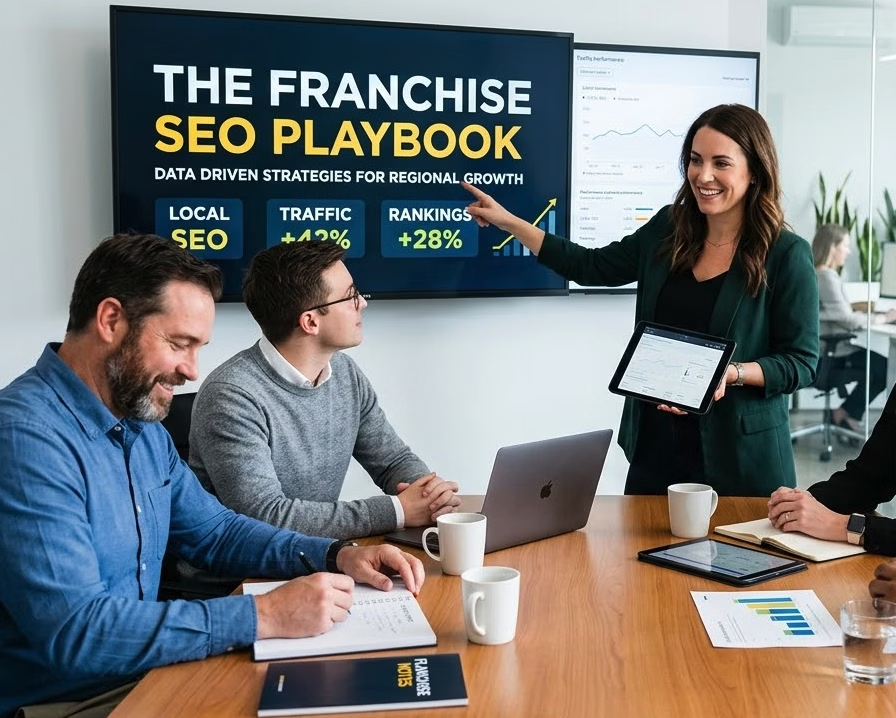
- Local SEO commands 28% of franchise marketing spend but delivers a massive 274% ROI.
- 46% of all Google searches carry local intent, yet most franchises fail to capture this traffic due to duplicate content and poor site architecture.
- The “Ghost Location” crisis occurs when franchise units cannibalise each other in search results, splitting authority and destroying rankings.
- A proper Hub and Spoke content model separates national brand authority from hyperlocal relevance, ensuring each location ranks independently.
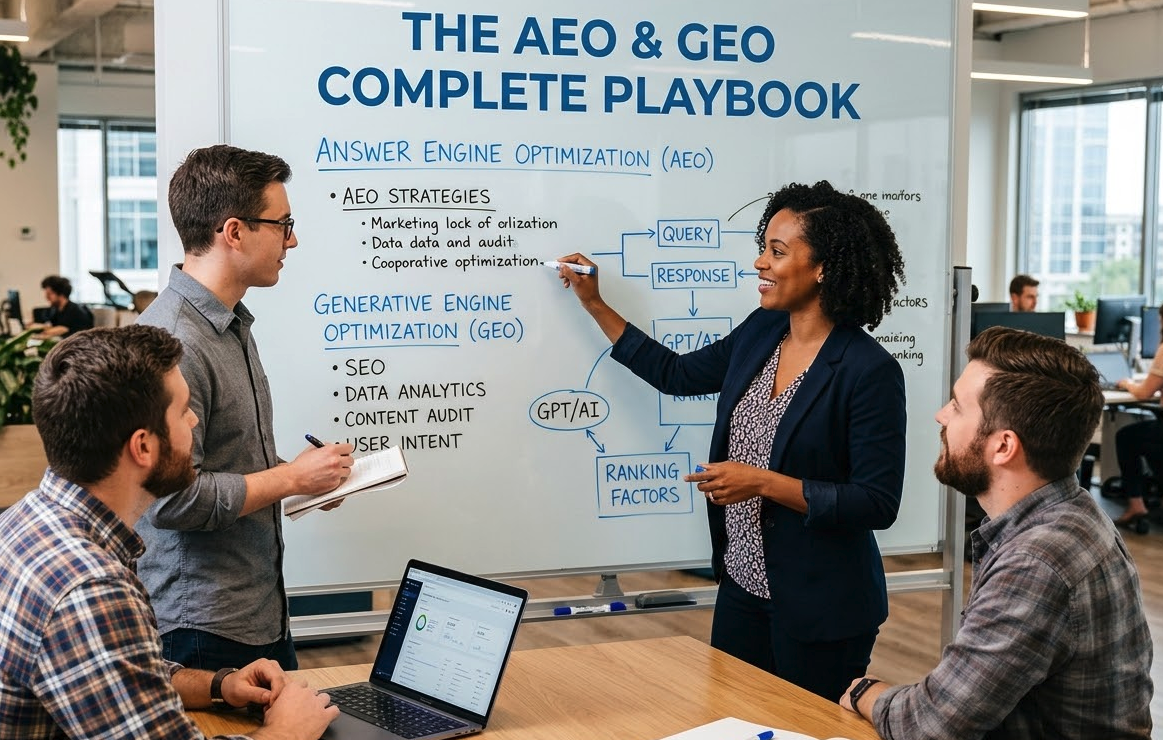
- Generative Engine Optimization (GEO) is replacing traditional search. ChatGPT and AI Overviews now answer local queries directly, requiring a new approach to E-E-A-T and structured data.
- Consistent NAP (Name, Address, Phone) data is non-negotiable. 62% of consumers actively avoid businesses with incorrect online information.
- Optimized Google Business Profiles generate 520% more calls than unmanaged listings, making them the most critical asset for local conversion.
- Relying solely on paid ads is a losing strategy. Organic leads cost 80% to 90% less than PPC, providing sustainable, long-term franchise growth.
The Franchise Search Crisis
Search has evolved, but most franchise marketing agencies have not. They treat multi-location SEO like a single-site problem, applying generic tactics and expecting exponential results. The outcome is always the same. A handful of flagship locations rank on the first page, while the rest remain buried, forcing franchisees to burn budget on expensive paid ads just to survive.
This is a structural failure. Franchises possess a massive natural advantage in search. They combine national brand authority with genuine local presence. Search engines crave this exact combination. Yet, most franchise brands squander this advantage through technical errors, duplicate content, and a fundamental misunderstanding of local search intent.
The digital marketing space is crowded with generalists promising magical results and holistic solutions. We cut through the noise. We focus on what actually matters to your bottom line. We optimize for revenue, market share, and qualified leads.
Consider the data. A recent NP Digital survey of 50 franchise businesses revealed a glaring inefficiency in budget allocation. Franchises spend 39% of their marketing budget on paid ads, yielding a paltry 81% ROI. Meanwhile, local SEO receives only 28% of the budget but generates a staggering 274% ROI. Organic leads cost 80% to 90% less than PPC campaigns. The math is undeniable. Relying on paid ads to prop up failing local locations is a tax on bad SEO.
We do not chase vanity metrics. We build scalable, data-driven systems that turn your nationwide footprint into a network of local market leaders. This playbook details the exact strategies required to outpace competitors, dominate local search, and drive measurable revenue across every single franchise location.
Why Traditional SEO Fails for Franchises
Regular SEO focuses on elevating a single domain for a specific set of keywords. Franchise SEO is an entirely different beast. It requires orchestrating dozens, hundreds, or thousands of local pages to perform in harmony without cannibalising each other.
When traditional SEO tactics are applied to a franchise model, the system breaks down.
The Cannibalisation Trap
The most common point of failure is internal competition. This occurs when multiple pages from the same domain fight for the same ranking. If a franchise operates five locations in the Dallas metro area, and all five pages target “Dallas plumbing services,” Google becomes confused. The algorithm splits the ranking authority among the five pages, ensuring none of them reach the top three spots.
We call this the Ghost Location crisis. Your own franchise units actively suppress each other in search results. A smaller, single-location competitor with a focused website will easily outrank your national brand in that specific market.
The Duplicate Content Disaster
Corporate websites frequently utilize a basic “Find a Location” directory. The location pages generated by these directories are notoriously thin. They feature identical copy, the same structure, and generic images, with only the city name swapped out.
Search engines prioritize originality and context. When Google crawls 50 identical location pages, it recognizes the duplication and strips them of ranking potential. Franchises unintentionally sabotage their local visibility by scaling identical content across all territories.
The Paid Ad Dependency Cycle
When organic visibility fails, franchisees panic. They turn to Google Ads to generate immediate leads. This creates a vicious cycle. Google PPC costs have risen by up to 20% year over year across many industries. Local service keywords in major metropolitan areas routinely exceed $20 to $40 per click.
As acquisition costs skyrocket, profit margins shrink. The only way to break this cycle is to establish a dominant organic presence that consistently delivers high-intent traffic at a fraction of the cost.
The Architecture of Dominance
To scale SEO effectively, you must build a unified technical foundation. The structure of your website dictates how search engines understand and rank your individual locations.
Subfolders Over Subdomains
The debate between subdomains and subfolders is over. Subfolders win. Always.
A subdomain (e.g., dallas.yourfranchise.com) is treated by Google as an entirely separate website. Any domain authority built by the national brand does not automatically transfer to the subdomain. You start from scratch in every new market.
A subfolder structure (e.g., yourfranchise.com/locations/tx/dallas) consolidates authority. Every backlink earned by the corporate site strengthens the local pages. Every local citation earned by a franchisee boosts the national domain. This unified approach creates a compounding effect that subdomains cannot match.
The Hub and Spoke Content Model
To prevent cannibalisation and maximize relevance, we deploy the Hub and Spoke content model. This strategy separates broad, brand-level keywords from hyperlocal search terms.
The corporate site acts as the Hub. It targets high-volume, national keywords. Examples include “best home care franchise” or “national moving company.” The Hub houses comprehensive educational content, franchise development information, and overarching brand messaging.
The location pages act as the Spokes. They target geographically specific, high-intent keywords. Examples include “home care services in Columbus” or “movers near Tampa.”
This keyword mapping ensures the national site and local pages complement each other. They capture different stages of the buyer journey. The Hub attracts top-of-funnel research traffic, while the Spokes capture bottom-of-funnel conversion traffic.
Strategic Internal Linking
Internal linking is the connective tissue of the Hub and Spoke model. The corporate site must link strategically to each local page using keyword-rich anchor text. Conversely, local pages must link back to the main site and relevant service pages to reinforce topical authority.
This seamless flow of relevance distributes ranking power across the entire domain, ensuring new franchise locations rank faster by leveraging the established authority of the parent brand.
Mastering Local Search Intent
Understanding search intent is the foundation of conversion. 46% of all Google searches carry local intent. People are not just browsing; they are looking to make an immediate purchase or booking.
The “Near Me” Phenomenon
Google processes over 1.5 billion “near me” searches every single month. These searches indicate extreme bottom-of-funnel intent. A user searching for “emergency plumber near me” does not want to read a corporate blog post about pipe maintenance. They want a phone number, a service area confirmation, and a dispatch time.
To capture this traffic, your location pages must be hyper-optimized for proximity and relevance. You cannot optimize for “near me” by simply stuffing the phrase into your content. Google determines “near me” based on the user’s physical location and the precise geolocation data embedded in your website and business listings.
Mapping Keywords to the Buyer Journey
We do not guess which keywords will drive revenue. We analyze the data. Effective keyword research for franchises requires a localized approach.
Top-tier keywords for a local franchise location typically include:
- Core Service + City (e.g., “HVAC repair Austin”)
- Core Service + Neighborhood (e.g., “AC installation Domain Austin”)
- Competitor Alternatives (e.g., “better than [Competitor] Austin”)
- Geo-modified long-tail questions (e.g., “how much does roof repair cost in Seattle”)
By targeting these specific, localized terms, you bypass the intense competition of national keywords and connect directly with customers who are ready to buy.
The Location Page Blueprint
A location page cannot be a digital business card. It must be a comprehensive, standalone asset designed to convert local traffic. Every location requires a page that feels handcrafted, even if the underlying system is templated.
Mandatory Elements for High-Converting Location Pages
We demand a minimum of 600 to 900 words of unique, localized copy for every single location page. This is not negotiable. Google must see each location as a distinct, valuable entity.
- Hyperlocal Content
Do not simply swap the city name in a generic paragraph. Write about the specific area. Mention local landmarks, unique climate challenges relevant to your service, and community involvement. This signals authentic local presence to both users and search engines.
- City-Specific Keywords
Integrate localized keywords naturally into the H1, H2s, body copy, and image alt text. Ensure the primary service and the city name appear in the meta title and description.
- Authentic Local Testimonials
Social proof drives conversions. Pull specific reviews from the location’s Google Business Profile and embed them directly on the page. Reviews that mention specific services and the city name provide a massive relevance boost.
- Location-Specific Media
Stock photos destroy trust. Upload real photos of the local team, the storefront, or branded vehicles in recognizable local settings. Geotag these images before uploading to provide search engines with additional location data.
- Precise Service Area Definitions
Clearly define the exact neighborhoods, suburbs, and zip codes the location serves. This prevents internal cannibalisation and helps Google match the page to hyper-specific user queries.
- Localized FAQs
Answer the specific questions customers in that area are asking. Address local pricing, specific service timelines, and regional requirements. Mark up this section with FAQ schema to dominate the “People Also Ask” boxes in search results.
- Prominent Calls to Action (CTAs)
The ultimate goal is revenue. Place clear, urgent CTAs above the fold. Use localized language like “Book Your Austin Plumber Now” rather than a generic “Contact Us.”
Technical Standardization at Scale
To scale SEO across 50 or 500 locations, standardization is critical. Every page must follow a strict on-page checklist.
| Technical Element | Execution Standard |
| H1 Tag | One clear, keyword-driven H1 per page (e.g., “Expert Roofing Services in Denver, CO”). |
| Meta Tags | Unique, optimized titles and descriptions tailored to the specific city and service. |
| URL Structure | Clean, hierarchical URLs (e.g., /locations/colorado/denver). |
| Image Compression | All images compressed to ensure rapid page load speeds, crucial for mobile users. |
| Mobile Responsiveness | Flawless rendering on mobile devices, as 57% of local searches occur on smartphones. |
This rigid standardization forms the foundation for ranking dozens of locations simultaneously. You build the system once, replicate it flawlessly, and optimize continuously.
Technical SEO for Multi-Location Brands
Technical SEO is the infrastructure that allows your content to rank. For franchises, this infrastructure must be robust enough to handle massive scale without generating errors.
The Power of LocalBusiness Schema
Schema markup is code that helps search engines understand the specific context of your data. For franchises, LocalBusiness JSON-LD schema is an absolute requirement. It translates your business information into a language algorithms natively understand.
Every location page must feature customized LocalBusiness schema containing:
- The precise legal name of the franchise location.
- The exact latitude and longitude coordinates.
- A verified telephone number.
- Accurate, localized opening hours, including seasonal variations.
- The specific `areaServed` property to define geographical boundaries and prevent internal cannibalisation.
- The `sameAs` property linking to the location’s specific social media profiles.
This structured data ensures AI engines and traditional crawlers can instantly verify your location details, dramatically improving your chances of appearing in the coveted Google Local Pack.
Core Web Vitals and Performance
Speed is a ranking factor. 76% of mobile local searches result in a call or visit within 24 hours. These users are impatient. If your location page takes five seconds to load, they will bounce to a competitor.
Franchise websites are often bloated with heavy corporate tracking scripts and unoptimized media. We ruthlessly audit and optimize Core Web Vitals. We demand fast First Contentful Paint (FCP) times, minimal Cumulative Layout Shift (CLS), and rapid Interaction to Next Paint (INP) scores. A fast website removes the friction that kills conversions.
Crawl Budget Optimization
Large franchise websites with thousands of pages face crawl budget limitations. Google will only spend a certain amount of time indexing your site. If your architecture is messy, Google will miss critical location pages.
We optimize crawl budgets by eliminating redirect chains, fixing broken internal links, and utilizing dynamic XML sitemaps that prioritize new or updated location pages. Every location must be easily discoverable within three clicks from the homepage.
NAP Consistency and the Data Drift Crisis
NAP stands for Name, Address, and Phone number. In the realm of local SEO, NAP consistency is the ultimate trust signal.
The Cost of Inconsistent Data
Search engines aggregate data from hundreds of directories, aggregators, and social platforms to verify the legitimacy of a business. If your Dallas location is listed as “Smith Plumbing” on Yelp, “Smith Plumbing LLC” on Google, and has an old phone number on the Better Business Bureau, search engines lose trust.
When trust drops, rankings plummet. In fact, 62% of consumers state they would actively avoid using a business if they found incorrect information online. Inconsistent NAP data directly destroys revenue.
Combating Data Drift
Data Drift occurs when search engines automatically update your listings based on incorrect third-party data or user suggestions. For franchises with hundreds of locations, managing this manually is impossible.
We implement centralized data management systems. The corporate entity maintains a master database of perfect, formatted NAP data. This database pushes the correct information via API to the top 50+ directories, including Apple Maps, Bing Places, Yelp, and industry-specific aggregators.
This centralized control locks down your data, prevents unauthorized changes, and ensures absolute consistency across the entire digital ecosystem. The execution of local engagement remains decentralized, but the core data is protected at the corporate level.
Dominating the Google Business Profile
Your Google Business Profile (GBP) is arguably more important than your website for local conversion. It is the first thing users see when they search for your brand or local services.
Optimized GBP profiles generate 520% more calls than unmanaged listings. Neglecting your GBP is professional negligence.
The Proximity vs. Prominence Equation
Google ranks local profiles based on three factors. Relevance, Proximity, and Prominence. You cannot control Proximity; the user is where they are. You must control Relevance and Prominence.
We build Prominence by treating the GBP as an active, daily marketing channel, not a static listing.
Tactical GBP Optimization
- Category Selection
Selecting the correct primary category is critical. It dictates which search queries trigger your profile. We also utilize all relevant secondary categories to maximize visibility across a broader range of services.
- Comprehensive Service Menus
We populate the services section with detailed descriptions and localized keywords. This provides Google with exact data on what you offer, matching your profile to specific user queries.
- High-Quality Visuals
Profiles with extensive photo galleries receive significantly more clicks and direction requests. We mandate regular uploads of high-resolution images depicting the exterior, interior, team members, and completed work.
- Google Posts and Updates
We utilize Google Posts to publish weekly updates, offers, and localized content directly to the search results page. This signals active management to Google and provides users with immediate conversion opportunities.
- The “Openness” Signal
Recent algorithm updates heavily weight the “openness” signal. Businesses that are currently open rank higher. We ensure all holiday hours and special closures are meticulously updated to prevent user frustration and ranking drops.
The Review Velocity Engine
Reviews are the heartbeat of local SEO. 68% of consumers will only use a business with a rating of 4 or more stars. 88% of consumers say they would use a business that responds to both positive and negative reviews.
You cannot leave reviews to chance. We build a scalable review system for every franchise.
- Automated Requests: Integration with CRM systems to automatically request reviews via SMS or email immediately after service completion.
- Monthly Targets: Establishing clear review acquisition targets for every location to ensure steady velocity.
- Mandatory Responses: Franchisees must respond to every single review, positive or negative, within 24 hours. Thoughtful responses to negative reviews demonstrate accountability and build trust with future prospects.
- Keyword Integration: Encouraging customers to mention specific services and the city name in their reviews. These keywords act as massive relevance signals for local rankings.
When each location builds steady review velocity, the aggregate authority elevates the entire franchise network.
The Shift from SEO to GEO (Generative Engine Optimization)
The era of ten blue links is fading. When users search for “highest-rated lawn care service near me,” they increasingly receive a complete, AI-generated answer from Google’s AI Overviews, ChatGPT, or Perplexity.
This is Generative Engine Optimization (GEO). For franchise companies, adapting to GEO is no longer optional. It is the difference between being cited as the definitive answer or disappearing from the search landscape entirely.
Winning the Zero-Click Search
AI-powered search leads to zero-click search. The user receives their answer directly on the results page and has no need to click through to a website. While website traffic may decrease, brand visibility can actually increase.
The new goal is inclusion and customer recall. If your franchise’s name, expertise, and location data are woven into the AI’s narrative, you win the visibility game.
Why Franchises Have the GEO Advantage
Franchise organizations are uniquely positioned to dominate generative search. AI systems value two things above all else: broad authoritative reach and genuine local signals. Franchises possess both.
Generative engines assess the corporate website for broad E-E-A-T (Experience, Expertise, Authoritativeness, and Trustworthiness) signals, while simultaneously scanning the network of local business profiles, reviews, and community mentions to verify local relevance.
Optimizing for AI Retrievability
To ensure your franchise is recommended by AI models, you must adapt your content strategy. AI does not reward keyword stuffing. It rewards clarity, structure, and conversational answers to real questions.
- Structured Data: AI engines rely heavily on schema markup to parse information quickly. Flawless LocalBusiness schema is mandatory.
- Conversational Content: Write in natural language. Use clear headings that phrase common questions, followed immediately by concise, accurate answers.
- Deep E-E-A-T Content: Publish comprehensive FAQs, detailed how-to guides, and transparent pricing information. AI models prefer sources that demonstrate deep, specialized knowledge.
- Off-Website Signals: AI evaluates your entire digital footprint. A steady flow of positive reviews, accurate directory listings, and mentions on local community websites all reinforce your credibility to generative models.
Brands that focus on creating meaningful, AI-readable content that demonstrates real local value will not just adapt to the new search landscape; they will lead it.
Local Link Building for Franchisees
Backlinks remain a fundamental ranking factor. However, for local franchise pages, a link from a massive national publication is often less valuable than a link from a highly relevant local organization.
Local link building establishes hyperlocal trust. It proves to search engines that your franchise location is an active, valued member of the specific community it serves.
Strategies for Hyperlocal Authority
We execute targeted local link building campaigns for every franchise location.
- Chamber of Commerce and Local Associations
Joining the local Chamber of Commerce provides a highly trusted, geographically relevant backlink and a powerful citation. We also identify relevant local trade associations and business groups for membership.
- Community Sponsorships
Sponsoring local youth sports teams, charity runs, or neighborhood festivals generates valuable local press and backlinks from community organization websites. This strategy drives both SEO value and direct brand goodwill.
- Local Press and PR
We leverage local media for grand openings, milestone anniversaries, or community charity initiatives. A feature in a local digital newspaper provides a massive relevance signal for that specific geographic area.
- Strategic Local Partnerships
We identify non-competing local businesses that share the same target audience and establish cross-promotional partnerships. A local moving franchise might partner with a local real estate agency, exchanging links and referrals.
These hyperlocal connections separate generic franchise SEO from high-performing local dominance.
Measurement, Analytics, and Scaling Success
You cannot scale what you do not measure. Franchise systems that succeed track performance at a granular, location-specific level.
Standardized KPI Reporting
Franchisees demand clarity. Corporate leadership demands consistency. We deliver both through standardized, transparent reporting dashboards.
We track the metrics that actually impact revenue:
- Local Pack Visibility: The percentage of tracked keywords where the location appears in the top three map results.
- Organic Lead Volume: The total number of phone calls, form submissions, and appointment bookings generated purely from organic search.
- Review Velocity: The number of new reviews acquired monthly and the aggregate star rating.
- Customer Acquisition Cost (CAC): Comparing the cost of organic leads against paid channels to demonstrate true ROI.
Identifying Patterns and Replicating Wins
When you track 100 locations uniformly, patterns emerge. You identify which geographic areas require more resources, which campaigns are overperforming, and which franchisees need additional training.
If a specific content strategy drives massive qualified traffic in the Chicago market, we extract that exact framework and deploy it across the remaining 99 locations. The system becomes smarter and more efficient over time, ensuring every dollar spent delivers measurable ROI.
The Franchise Development Engine
Franchise SEO is not merely about acquiring local customers. It is a critical component of franchise development. Prospective franchisees conduct extensive online research before investing hundreds of thousands of dollars into a brand. They analyze the corporate website, but more importantly, they scrutinize the performance of existing locations.
If a prospect searches for your services in a major market and sees your franchisees buried on page three, they will invest in your competitor. Strong local SEO acts as a powerful sales tool. When a prospect sees your brand dominating the local pack across multiple cities, it validates your business model and proves that your marketing systems generate revenue.
Targeting Franchise Prospects
The corporate Hub must be optimized for high-intent franchise development keywords. These include terms like “best fitness franchise to own,” “HVAC franchise opportunities,” or “cost to open a [Brand Name] franchise.”
This content must be authoritative, transparent, and data-backed. It should clearly outline the financial requirements, the support provided by the franchisor, and the potential ROI. We optimize this content not just for search engines, but to convert highly qualified investors.
The Quarterly Maintenance Framework
SEO is not a one-time setup. It is an ongoing process of optimization, monitoring, and adaptation. We implement a rigorous quarterly maintenance framework to ensure sustained dominance.
Month 1 Technical Audits and Data Integrity
- Comprehensive crawl of the entire domain to identify and resolve any new technical errors, broken links, or redirect chains.
- Audit of all NAP data across the top 50 directories to identify and correct any Data Drift.
- Review of Core Web Vitals to ensure page speed remains optimal following any website updates.
Month 2 Content Expansion and Local Authority
- Publication of new localized content on underperforming location pages.
- Execution of targeted local link building campaigns for specific franchisees.
- Optimization of Google Business Profiles with new photos, updated services, and fresh Google Posts.
Month 3 Performance Review and Strategy Adjustment
- Deep dive into standardized KPI reports to analyze local pack visibility, organic lead volume, and review velocity.
- Identification of emerging search trends and adjustment of keyword targeting.
- Strategic planning for the upcoming quarter based on hard data and performance metrics.
This systematic approach ensures that your franchise network remains agile, authoritative, and dominant in an ever-evolving search landscape.
Advanced Local Content Strategies
While a standard location page is the foundation, dominating highly competitive markets requires advanced content strategies. A single page per city is often insufficient to capture the full breadth of local search intent.
The Hyperlocal Content Silo
To establish undeniable authority in a specific geographic area, we build hyperlocal content silos. This involves creating a cluster of supporting content around the primary location page.
For example, a Dallas roofing franchise would have its main location page at `/locations/tx/dallas`. To support this page, we publish hyper-specific blog content addressing local issues:
- “How Dallas Hail Storms Damage Asphalt Shingles”
- “The Best Time of Year for Roof Replacement in North Texas”
- “Understanding Dallas Building Codes for Commercial Roofing”
These supporting articles are interlinked with the main Dallas location page. This structure signals deep, localized expertise to search engines, proving that your franchise understands the unique challenges of the Dallas market better than a national competitor.
Leveraging Local Case Studies
Generic case studies on the corporate Hub are valuable, but local case studies are conversion engines. A homeowner in Atlanta does not care about a successful project in Miami. They want to see results in their own neighborhood.
We mandate the creation of local case studies for every flagship location. These case studies detail:
- The specific local problem (e.g., “Foundation repair in historic Atlanta homes”).
- The localized solution provided by the franchisee.
- High-quality, geotagged before-and-after photos.
- A direct quote from the local customer.
By optimizing these case studies for localized long-tail keywords, we capture highly qualified, bottom-of-funnel traffic.
The Technical Infrastructure of Scale
Managing SEO for one website is straightforward. Managing SEO for a franchise with 500 locations requires enterprise-grade technical infrastructure. Manual execution at this scale is impossible and leads to catastrophic errors.
Dynamic XML Sitemaps
A static XML sitemap is a liability for a growing franchise. As new locations open and new local content is published, search engines must discover these pages immediately.
We implement dynamic XML sitemaps that automatically update the moment a new page is published. We segment sitemaps by region or state. This ensures that Google’s crawlers can efficiently parse the site architecture without exhausting their crawl budget.
API-Driven Data Syndication
We previously discussed the dangers of Data Drift and inconsistent NAP information. The solution is API-driven data syndication.
We integrate the corporate database directly with primary data aggregators (such as Data Axle, Foursquare, and Localeze) via API. When a franchisee changes their holiday hours or updates their phone number in the central system, the API instantly pushes that update across the entire digital ecosystem. This eliminates manual data entry, prevents inconsistencies, and ensures your local trust signals remain pristine.
Automated Schema Generation
Manually coding JSON-LD schema for hundreds of locations is a recipe for syntax errors. A single missing comma can invalidate the entire schema markup, rendering it invisible to search engines.
We utilize dynamic schema generation. The website’s CMS is configured to automatically pull the specific location data (address, phone number, coordinates, operating hours) and inject it into perfectly formatted LocalBusiness schema templates. This guarantees 100% compliance with Google’s structured data guidelines across the entire network.
The Role of Social Proof in Local Conversion
SEO drives visibility, but social proof drives revenue. In the local search landscape, the two are inextricably linked. Search engines use social proof as a primary ranking signal, and consumers use it as their primary conversion filter.
Beyond the Star Rating
A 4.8-star rating is excellent, but the sheer volume of reviews is equally important. A location with five 5-star reviews will almost always be outranked by a competitor with two hundred 4.6-star reviews.
Search algorithms prioritize recency and velocity. A steady stream of new reviews signals that the business is active and consistently satisfying customers. We implement automated review generation campaigns that target customers at the exact moment of peak satisfaction.
The SEO Value of Review Responses
Responding to reviews is not merely a customer service function; it is an SEO strategy. When a franchisee responds to a review, they have the opportunity to naturally inject localized keywords and service terms.
For example, if a customer leaves a positive review stating, “Excellent service,” the optimal response is: “Thank you for the feedback! We are thrilled our team could provide top-tier emergency plumbing repair for your home in downtown Seattle.”
This response adds critical context to the review, reinforcing the location’s relevance for “emergency plumbing repair” and “Seattle.”
Managing Negative Sentiment
Negative reviews are inevitable. How a franchise handles them dictates their impact on local SEO. Ignoring negative reviews damages trust and lowers conversion rates.
We train franchisees to respond to negative reviews promptly, professionally, and publicly. A thoughtful response demonstrating accountability mitigates the damage of the review and often impresses future prospects reading the interaction. Active review management, regardless of sentiment, signals to Google that the business is engaged with its local community.
The Outpace Execution Standard
Most agencies offer digital marketing as a collection of disconnected tactics. We offer intentional integration backed by hard data. We execute.
Franchise SEO is not a side project. It is the foundation that supports long-term franchise success. By implementing a scalable Hub and Spoke architecture, enforcing absolute NAP consistency, dominating the Google Business Profile, and optimizing for the future of AI search, we turn your franchise network into an unstoppable revenue engine.
Stop letting single-location competitors steal your local market share. Stop burning budget on inefficient paid ads. It is time to outpace the competition. It is time to dominate search.