
The Quick Rundown
- Search Engine Optimization (SEO) delivers an average Return on Investment (ROI) of 748%, vastly outperforming Pay-Per-Click (PPC) advertising, which averages a 36% long-term ROI.
- Organic search generates leads at an average cost of $14, providing a 68% cost advantage over PPC’s $44 average cost-per-lead.
- SEO conversion rates average 2.4% across industries, nearly double the 1.3% average conversion rate of PPC traffic.
- PPC provides immediate market visibility and rapid validation, making it highly effective for short-term revenue generation, product launches, and startup validation.
- PPC costs are inflating rapidly; 87% of industries saw their Cost-Per-Click (CPC) rise in 2025, with high-stakes sectors like legal services reaching $131.63 per lead.
- The most profitable digital marketing strategies do not choose between SEO and PPC; they integrate both channels, typically allocating 75% of the budget to long-term organic growth and 25% to targeted paid acquisition.
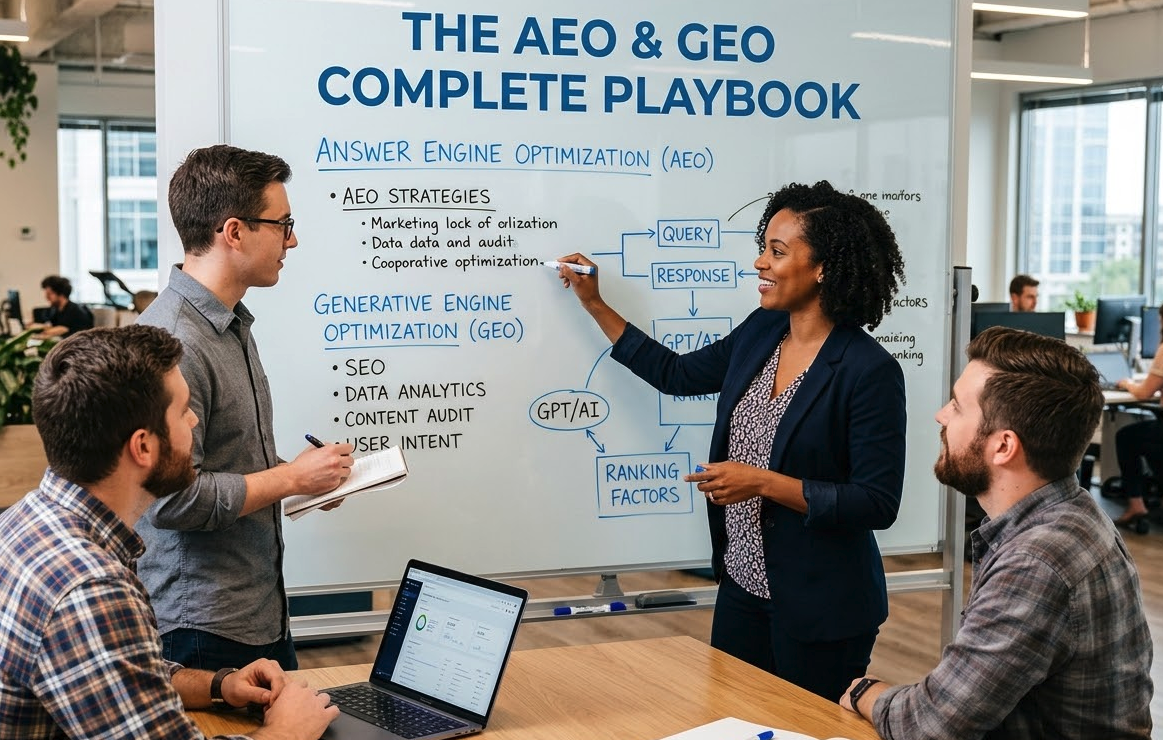
- Emerging technologies like Generative Engine Optimization (GEO) are increasing the value of SEO, as AI chatbots heavily rely on high-ranking organic content to answer user queries.
Why This Debate Keeps Getting the Wrong Answer
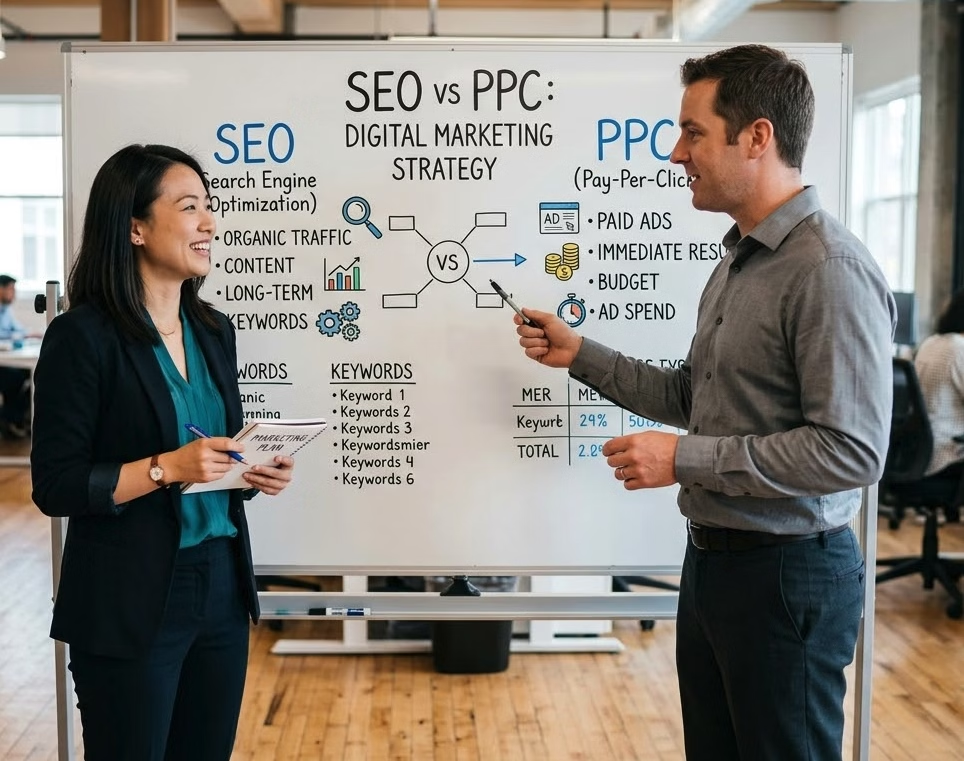
The debate over SEO versus PPC is fundamentally flawed. Marketing leaders who treat these channels as mutually exclusive competitors are leaving substantial revenue on the table. Both strategies are necessary for dominating search engine results pages, but they serve entirely different financial functions within a business. SEO is an asset that compounds over time, driving long-term ROI and reducing customer acquisition costs. PPC is an operational expense that provides immediate, short-term gains but requires continuous funding to maintain visibility.
| Aspect | SEO | PPC |
| Cost Model | Primarily time and resource investment; ongoing maintenance costs | Pay per click; budget directly tied to ad spend |
| Time to Results | Medium to long term (3 to 12 months for significant impact) | Immediate (within hours or days) |
| Traffic Sustainability | Cumulative and compounding; traffic grows as authority builds | Temporary; traffic stops when budget is paused or exhausted |
| User Intent | Captures broad to specific intent via content targeting | Captures high-intent queries with precise bidding |
| ROI Measurement | Complex; influenced by multiple indirect factors over time | Direct and immediate; ROI can be measured per campaign |
| Brand Equity Impact | Enhances credibility and organic presence long-term | Boosts short-term visibility; less impact on brand authority |
The confusion stems from how most businesses evaluate marketing spend. They look at the first 90 days of an SEO campaign, see modest traffic gains, and compare that to a PPC campaign that generated leads in week one. That comparison is not apples to apples. It is comparing the first month of a mortgage payment to the first month of a rental contract. Both put a roof over your head, but only one builds equity.
To make intelligent budget allocations, businesses must move beyond basic definitions and analyze the hard data comparing long-term ROI, cost-per-lead, and conversion rates across both channels. The numbers tell a clear story.
The ROI Gap Is Bigger Than Most Budgets Account For
When evaluating digital marketing channels, Return on Investment (ROI) is the ultimate metric. The data clearly demonstrates that SEO provides a far superior return over a sustained period. According to industry analysis from First Page Sage, a mature thought-leadership SEO campaign delivers an average ROI of 748%, returning roughly $7.48 for every $1 invested. In contrast, their data shows PPC campaigns average a 36% ROI over the long term.
This massive disparity stems from how each channel scales. PPC ROI is linear. A business spends a set amount to acquire a specific number of clicks. To get more clicks the next month, the business must spend more money. The return remains flat, and as competition increases, the cost-per-click often rises, compressing profit margins further. The ceiling on PPC ROI is determined entirely by budget.
SEO ROI is cumulative. An initial investment in high-quality content, technical optimization, and authoritative link building continues to generate traffic months and years after the work is completed. A piece of content published today can drive hundreds of qualified leads next year without any additional spend. After 36 months on the same budget, SEO generates 3.75x more total revenue than PPC, and that gap continues to widen. This compounding effect is why successful companies view SEO as a strategic business asset rather than a temporary marketing expense.
Consider a real-world financial modeling example for a commercial insurance firm investing $250,000 over a three-year period. If allocated entirely to PPC, that budget might generate 77 Marketing Qualified Leads (MQLs), resulting in 15 new clients and $435,000 in revenue, netting a $185,000 return. If that same $250,000 is allocated to a comprehensive SEO strategy, the compounding traffic could generate 187 MQLs, resulting in 37 new clients and $1.07 million in revenue, netting an $823,000 return. The financial leverage of owning digital real estate versus renting it becomes undeniable over a multi-year horizon.
The SEO flywheel effect amplifies this further. Initial optimization spins the wheel slowly. As content accumulates, user signals improve, and backlinks grow, the flywheel accelerates. Each subsequent investment becomes more efficient. A blog post published in month three begins to earn backlinks by month nine, which improves the domain authority of every other page on the site, which in turn improves the ranking of content published in months six, twelve, and eighteen. The system self-reinforces. PPC has no equivalent mechanism.
What the Cost-Per-Lead Data Actually Shows
The efficiency of a marketing channel is measured by its Cost-Per-Lead (CPL). Across all major industries, organic search consistently outperforms paid search in cost efficiency. Data from Visionary Marketing indicates that the average CPL for organic search is $14, compared to $44 for PPC, representing a 68% cost advantage for SEO.
This cost advantage becomes even more pronounced in highly competitive, high-value industries.
| Industry | Organic CPL | PPC CPL | Cost Difference | SEO Savings |
| Real Estate | $9 | $52 | $43 | 83% |
| Financial Services | $18 | $65 | $47 | 72% |
| Legal Services | $22 | $78 | $56 | 72% |
| SaaS & Technology | $31 | $72 | $41 | 57% |
| B2B Professional Services | $14 | $44 | $30 | 68% |
PPC costs are inherently inflationary. The platform operates as an auction, and as more competitors enter the market, the cost to acquire a click increases. According to WordStream’s 2025 Google Ads Benchmarks report, which analyzed over 16,000 campaigns, the average CPC across all industries reached $5.26. More alarmingly, 87% of industries saw their CPC increase year-over-year.
In high-stakes sectors, the reliance on paid traffic is becoming financially unsustainable for long-term growth. The WordStream data shows that Attorneys and Legal Services face an average CPL of $131.63, while Business Services sit at $103.54. In specific niches like personal injury law, a single click can cost between $70 and $250.
Organic rankings bypass the auction dynamic entirely. Once a page secures a top position, every subsequent click and lead is effectively free. The initial investment is amortized over a growing volume of traffic, driving the CPL down continuously over time. A legal firm that ranks organically for “personal injury attorney [city]” is acquiring leads at $22 each. A competitor relying on PPC for the same keyword is paying $78 per lead. Over 1,000 leads, that is a $56,000 difference in acquisition spend. Over 10,000 leads, it is $560,000.
Conversion Rates and the Trust Advantage
Traffic volume is irrelevant if those visitors do not convert into paying customers. The data shows that organic traffic converts at a significantly higher rate than paid traffic. The average conversion rate for SEO is 2.4%, nearly double the 1.3% average for PPC.
This gap is driven entirely by consumer trust. Users are highly skeptical of paid advertisements. HubSpot data indicates that approximately 70% of searchers actively skip ads to click on organic results. Earning a top organic ranking signals to the user that Google considers the website an authoritative, credible source. This implicit endorsement reduces friction in the buying process.
The trust factor is critical in industries where expertise and reliability are paramount. Google’s E-E-A-T guidelines (Experience, Expertise, Authoritativeness, Trustworthiness) dictate that content in YMYL (Your Money or Your Life) sectors must be highly credible. In financial services, SEO converts customers at 7.3x the rate of PPC. In real estate and legal services, the organic conversion rate is roughly 3.4x to 3.5x higher than paid search.
When a user is looking for a lawyer or an investment advisor, they want the best in the field, not simply the firm that paid the most for ad space. High-quality SEO content satisfies the user’s search intent, answers their questions, and establishes the brand as an industry leader before the sales conversation even begins. A paid ad delivers a click. A top-ranking organic article delivers a pre-qualified prospect who already trusts the brand.
The behavioral data reinforces this. Organic visitors spend more time on site, view more pages per session, and have a lower bounce rate than PPC visitors. These engagement signals feed back into Google’s ranking algorithm, further reinforcing the organic position. PPC traffic does not generate these compounding engagement signals. Every paid visitor is a one-time transaction with no downstream ranking benefit.
The Timeline Trade-Off Is Real, But Manageable
The primary drawback of SEO is the time required to achieve results. A comprehensive SEO campaign typically requires three to six months to show initial traction, and six to twelve months to generate significant, revenue-driving traffic. The break-even point for a robust SEO investment usually occurs around month nine.
This timeline is where PPC proves its value. Paid search delivers immediate market visibility. A campaign can be launched in the morning, and the business can start receiving qualified traffic and leads by the afternoon. This speed makes PPC the optimal channel for specific business scenarios.
The critical insight is that the SEO timeline is not a weakness to be avoided; it is a barrier to entry that protects your investment. Once a business earns top organic rankings, competitors cannot simply outbid them to take those positions. They must invest the same time and resources to build the same authority. That is a durable competitive moat. PPC offers no such protection. Any competitor with a larger budget can immediately outbid you and take your traffic.
When PPC Is the Right Primary Channel
While SEO wins the long-term ROI battle, there are distinct scenarios where PPC is the correct primary investment.
Startups Validating Product-Market Fit: If a company needs to test new messaging, evaluate a new target audience, or validate a new product concept, paid search provides immediate, actionable data. A startup can run 10 different ad variations in a week, identify which headline drives the highest click-through rate, and use that data to inform their entire content and positioning strategy before investing a single dollar in SEO.
Product Launches and Seasonal Campaigns: For time-sensitive promotions where waiting six months for organic rankings is not an option, PPC ensures immediate visibility. A retailer launching a Black Friday campaign cannot afford to wait for SEO to mature. PPC captures the demand spike, and the revenue generated can then fund the long-term SEO investment.
High-Competition Keyword Testing: Before investing heavily in a long-term SEO campaign for a highly competitive keyword, a business can use PPC to test the conversion rate of that keyword. If the keyword drives traffic but no sales, the business saves the time and money they would have spent trying to rank organically for a term that does not convert.
Cash-Flow-Constrained Businesses: If a business needs immediate revenue this month to keep the lights on, they cannot afford to wait for the SEO break-even point. PPC can provide the necessary short-term cash flow while the SEO strategy builds in the background.
When SEO Is Non-Negotiable
Conversely, there are scenarios where relying primarily on SEO is an absolute business imperative.
High-CPC Industries: In sectors like Legal Services, Finance, and B2B SaaS, the cost of paid clicks is so high that building a profitable business solely on PPC is nearly impossible. A law firm paying $131.63 per lead via PPC needs a conversion rate of over 10% just to break even at a $1,500 case value. SEO is required to bring the blended customer acquisition cost down to a sustainable level.
Long-Term Brand Authority: Businesses that need to establish deep trust with their audience must invest in thought-leadership SEO. A paid ad does not confer expertise; a comprehensive, well-researched guide does. The brands that dominate their industries are those that have spent years publishing authoritative content that answers every question their target customer has. That content library is a moat that cannot be purchased.
Generative Engine Optimization (GEO): As AI chatbots like ChatGPT and Perplexity become primary search tools, they rely on high-ranking organic content to formulate their answers. Brands that do not invest in deep, authoritative SEO content will be invisible in the AI-driven search landscape. GEO is not a future consideration; it is a present competitive advantage for businesses investing in organic content today.
Compounding Asset Creation: Businesses looking to build enterprise value must view their website as a compounding asset. A strong organic footprint increases the total valuation of the company. Acquirers and investors assign significant value to owned organic traffic channels because they represent predictable, low-cost revenue streams that do not disappear when an ad budget is cut.
The Cost Structure Behind Customer Acquisition
Customer Acquisition Cost (CAC) dictates the financial health and scalability of any marketing strategy. When comparing SEO and PPC, understanding CAC requires dissecting how each channel’s cost structure impacts long-term profitability, not just the cost of the first 90 days.
The cost structure of SEO is front-loaded. It relies heavily on the quality of content assets, site architecture improvements, and authoritative backlink acquisition. Unlike PPC, where costs are variable and directly tied to clicks, SEO investment is fixed and cumulative. Data from Ahrefs shows the average monthly cost for a mid-sized business to maintain a competitive SEO strategy ranges from $2,000 to $10,000, depending on industry competitiveness.
The critical advantage is that SEO CAC decreases over time as organic rankings solidify. A SaaS company investing $5,000 per month in SEO might initially acquire customers at a CAC of $500. After 12 to 18 months, that CAC drops below $150 as organic channels mature and content begins to rank consistently. This compounding effect turns SEO into an appreciating asset rather than a recurring expense.
The cost structure of PPC is immediate and directly measurable. Each click has a fixed monetary value. If a business spends $10,000 on Google Ads and acquires 100 customers, the CAC is $100. This clarity provides a powerful advantage for budget-conscious marketers demanding accountability.
However, PPC CAC is highly volatile. It fluctuates based on bid competition, quality scores, and seasonal demand. In highly competitive sectors like finance or insurance, average CPCs skyrocket, driving CAC above $200 per customer. WordStream benchmark data highlights that industries like legal and healthcare often experience average CPCs exceeding $5, making customer acquisition prohibitively expensive without rigorous campaign optimization.
PPC traffic is rented. Once ad spend stops, customer flow halts immediately. SEO rankings and traffic persist long after the initial investment. PPC requires continuous budget allocation to sustain acquisition flow, and scaling up is linearly tied to increased spend. This model offers unmatched speed and control but lacks the compounding, asset-building qualities of SEO.
Quantitative Comparison of CAC Benchmarks
This data illustrates that while PPC offers lower CAC initially, SEO achieves a more efficient CAC over time due to its compounding nature. Businesses with deep pockets can ramp PPC quickly, but those seeking long-term profitability must invest in SEO to bring CAC sustainably down. The crossover point, where SEO CAC drops below PPC CAC, typically occurs between months 12 and 18 for most industries.
| Metric | SEO Average | PPC Average |
| Initial CAC (First 6 Months) | $400 to $600 | $100 to $250 |
| Steady-State CAC (12 to 24 Months) | $100 to $200 | $150 to $300 |
| Scalability | Non-linear, content and authority driven | Linear, directly proportional to ad spend |
| Sustainability | High, with ongoing optimization | Low, dependent on continuous budget |
Factoring in Customer Lifetime Value
A profitable acquisition strategy integrates Customer Lifetime Value (CLV) models to ensure acquisition costs align with long-term revenue generation. A SaaS business with a CAC of $200 may find PPC less viable if their average CLV is $500. SEO gradually reduces that CAC to $100, aligning perfectly with sustainable growth.
Economically, SEO functions as a capital asset that appreciates and yields dividends indefinitely. The initial capital expenditure is the upfront SEO work. The interest manifests as steadily growing free traffic. Over time, the cost per acquisition via SEO approaches zero, maximizing ROI. A study by Ahrefs showed that pages ranking on page one enjoy steady, self-sustaining traffic streams requiring minimal ongoing expense.
The CLV calculation changes the entire strategic calculus. A luxury B2B software company with a $50,000 average contract value and a 3-year average customer lifespan has a CLV of $150,000. For that business, a PPC CAC of $2,000 is entirely acceptable. An SEO CAC of $800 that drops to $300 over 18 months is even more attractive. The key is that both channels must be evaluated against the total revenue they generate over the customer lifetime, not just the cost of the first click.
Businesses that ignore CLV when comparing SEO and PPC make systematically poor budget decisions. They optimize for the cheapest first click rather than the most profitable long-term customer relationship. High-CLV businesses can afford to invest heavily in SEO because the payback period, though longer, generates a far greater return on every dollar spent.
The Five-Step Integration Framework
Savvy businesses recognize that SEO and PPC are complementary strategies. The compounding value of SEO creates a baseline of organic traffic and brand authority, reducing reliance on costly paid ads over time. Concurrently, PPC campaigns capture immediate demand spikes, test new keywords, and dominate highly competitive terms where SEO gains take time to materialize.
An advanced implementation framework involves five distinct steps that allow businesses to systematically shift from paid dependency to organic dominance.
Step 1. Keyword and Market Research
Identify high-value keywords using PPC data insights to prioritize SEO content creation. PPC campaigns provide immediate, granular data on which keywords convert and at what cost. This eliminates the guesswork from SEO keyword selection and maximizes SEO efforts on terms with proven conversion potential.
Step 2. Launch PPC for Immediate Traffic
Run PPC ads targeting keywords with low organic presence to generate leads quickly. This captures immediate revenue and tests messaging efficacy while the SEO strategy builds in the background. The revenue generated from PPC in months one through six can directly fund the SEO investment.
Step 3. Develop SEO Content and Link Building
Create optimized, authoritative content and earn backlinks to grow organic rankings. This builds long-term, self-sustaining traffic streams, reducing paid spend over time. Content should be designed to satisfy the same high-intent queries that the PPC campaigns are targeting, creating a unified message across both channels.
Step 4. Analyze and Adjust
Use PPC data to refine SEO targeting and vice versa. Adjust bids and content strategy accordingly. As organic rankings improve for specific keywords, PPC bids on those terms can be reduced, freeing budget for keywords where organic rankings are still maturing. This ensures continuous improvement and cost efficiency across both channels.
Step 5. Gradual Shift in Budget Allocation
As SEO rankings improve, decrease PPC spend on overlapping keywords to optimize ROI. The goal is not to eliminate PPC but to shift it toward keywords and audiences where it provides the highest marginal return. This maximizes marketing ROI by leveraging compounding organic traffic for high-volume, proven terms while using PPC for new market entry and high-value transactional queries.
This integrative approach is exemplified by multinational enterprise Salesforce, which reported a 30% reduction in paid search spend over three years as organic rankings matured, while maintaining lead volume by reallocating budgets to SEO-driven content marketing. The result was a lower blended CAC and a higher total marketing ROI.
The Integrated Strategy and How to Use Both
The most effective digital marketing strategy does not choose between long-term ROI and short-term gains; it leverages both to dominate the market. A unified approach uses the strengths of one channel to offset the weaknesses of the other.
Data from successful B2B campaigns suggests an optimal budget allocation of approximately 75% toward SEO and 25% toward PPC. This split allows the business to build a compounding asset while maintaining immediate visibility for high-priority targets.
Integrating these channels creates a powerful feedback loop. PPC campaigns generate immediate data on which keywords drive the highest conversion rates. This data eliminates the guesswork from SEO keyword research, allowing the organic strategy to focus exclusively on proven, revenue-generating terms. Simultaneously, as the SEO campaign builds domain authority and improves landing page relevance, the Quality Score of the PPC ads increases. A higher Quality Score drives down the cost-per-click and improves ad placement, making the paid campaigns more efficient.
Combining both channels allows a brand to occupy multiple positions on the search engine results page. Appearing in both the paid and organic sections significantly increases the combined click-through rate and reinforces brand dominance in the mind of the consumer. Research from WordStream indicates that when a brand appears in both paid and organic results for the same query, the combined CTR can increase by up to 40%. Retargeting acts as the perfect bridge; a user might discover the brand through an organic search, leave the site, and then be brought back to convert via a targeted paid ad.
Cross-channel remarketing is one of the most underutilized tactics in digital marketing. A business can use PPC remarketing campaigns targeted specifically at organic visitors who did not convert on their first visit. These warm prospects already know the brand, have demonstrated interest, and are far more likely to convert than cold PPC traffic. The cost-per-conversion on remarketing campaigns is typically 50 to 70% lower than standard PPC campaigns, making it one of the highest-ROI applications of paid advertising.
Dominating SERP Real Estate With Both Channels
Search engine results pages are prime commercial real estate. The businesses that occupy the most positions on a SERP page capture the most traffic, the most leads, and the most revenue. Running SEO and PPC together is the only way to occupy multiple positions simultaneously.
A brand that ranks organically in position one and also runs a paid ad for the same query can appear in three distinct locations on the page: the paid ad at the top, the organic result in position one, and potentially a featured snippet or People Also Ask box if the content is structured correctly. Research from WordStream indicates that when a brand appears in both paid and organic results for the same query, the combined CTR can increase by up to 40% compared to appearing in only one position.
This SERP dominance also has a psychological effect. When a user sees a brand in both the paid and organic sections of a search result, they perceive that brand as the dominant authority in the space. This perception increases trust before the user even clicks. It also crowds out competitors. A competitor appearing in position two organically is less visible when the top brand occupies both the paid slot and position one.
The brand domination effect is particularly powerful for high-intent transactional queries. A user searching for “B2B SEO agency” who sees the same brand in the paid ad and the top organic result is far more likely to click that brand than to scroll past it to a competitor. The repetition of the brand name across multiple SERP positions reinforces recall and authority in a single page view.
For businesses in competitive markets, SERP real estate strategy should be a deliberate part of the marketing plan. Identify the 20 to 30 highest-converting keywords in the business. Map which keywords have strong organic rankings and which do not. Run PPC on the keywords where organic rankings are weak or where the query is high-intent and time-sensitive. Reduce PPC spend on keywords where organic rankings are strong and the traffic volume justifies the investment. This keyword-level budget allocation maximizes the total SERP footprint while minimizing wasted ad spend.
The AI Factor and How Search Is Changing Both Channels
The search landscape is evolving rapidly with the integration of Artificial Intelligence. Google’s AI Overviews and Search Generative Experiences are changing how users interact with search results. This shift makes high-quality SEO more critical than ever, and it simultaneously raises the bar for what constitutes competitive organic content.
Generative Engine Optimization (GEO) is now a core component of advanced SEO strategies. AI chatbots rely heavily on top-ranking organic content to formulate their answers. Brands that invest in deep, authoritative content are not only securing traditional organic traffic but are also positioning themselves to be cited and recommended by AI platforms. A brand that ranks in the top three organic positions for a query is far more likely to be referenced in an AI Overview or a ChatGPT response than a brand that relies solely on paid ads.
The data on AI search behavior is striking. Studies from BrightEdge show that AI Overviews appear in over 30% of all Google searches, and those overviews draw heavily from the top organic results. A business that has invested in comprehensive, authoritative SEO content is effectively getting double exposure: once in the traditional organic results and once in the AI Overview. A business relying on PPC gets neither.
PPC is also benefiting from AI through Smart Bidding and automated creative testing, which improve targeting efficiency. Google’s Performance Max campaigns use machine learning to optimize bids across all Google inventory in real time. These advancements reduce the manual labor required to manage PPC campaigns and improve average conversion rates. However, these advancements do not alter the fundamental economic reality: PPC requires continuous payment for visibility, while SEO builds permanent equity.
The businesses that will dominate search in the next five years are those that treat SEO as the foundation of their digital presence and use PPC as a precision tool to accelerate specific outcomes. The AI revolution is not making PPC more important; it is making authoritative organic content more important than it has ever been.
The Bottom Line
To achieve sustainable, profitable growth, businesses must prioritize SEO as their primary acquisition engine, utilizing PPC strategically to capture immediate opportunities and accelerate market feedback. PPC is the spark that ignites the engine, providing short-term gains and valuable data. SEO is the fuel that keeps the engine running efficiently for years, delivering a massive 748% long-term ROI and continuously driving down the cost of customer acquisition.
| Metric | SEO | PPC |
| Cost Per Acquisition (CPA) | $20 to $50 (varies by industry) | $30 to $150 (highly variable) |
| Time to ROI | 6 to 12 months (long-term compounding) | Immediate (days to weeks) |
| Sustainability | High (organic equity) | Low (rented traffic) |
| Scalability | Gradual, requires ongoing content and links | Instant, budget-dependent |
The data is unambiguous. SEO delivers lower cost-per-lead, higher conversion rates, and a compounding ROI that no paid channel can match over a multi-year horizon. PPC delivers speed, precision, and immediate revenue that no organic strategy can replicate in the first 90 days. The businesses that master the integration of both channels, allocating budgets intelligently based on CAC benchmarks, CLV models, and competitive dynamics, will outpace their competitors and secure a dominant position in their industry.
The question is not whether to invest in SEO or PPC. The question is whether your current budget allocation reflects the long-term financial reality of each channel.
Most businesses are over-indexed on PPC because the results are immediate and easy to report. A lead arrived this morning, and it cost $78. That is a clean number. The problem is that the same lead via organic search would have cost $22 and would have converted at nearly twice the rate. The business is paying a 255% premium for the convenience of speed, and that premium compounds every month.
The businesses that will own their markets in five years are those that start building organic authority today. SEO takes time, but that time is the price of admission to a channel that delivers compounding, low-cost, high-trust traffic that no competitor can simply outbid. Every month of SEO investment narrows the gap between current performance and market dominance. Every month of PPC-only investment keeps that gap exactly where it is.
The data is clear. The strategy is clear. The only remaining question is whether your business is willing to invest in the channel that builds lasting competitive advantage, or whether it will continue renting visibility from a platform that raises prices every year.
The businesses that choose to build will outpace those that choose to rent. That gap widens every single month. Start building today, and the compounding advantage will be yours to keep.